Compare Local Contractors for Pipe Leak Detection Services
Compare local contractors for pipe leak detection to verify experience, define the scope clearly, and set expectations in writing for a reliable repair process.
Pipe leak detection services typically involve identifying the source of leaks within a property's plumbing system, which can include underground pipes, hidden fixtures, or behind walls. These professionals use specialized tools and techniques to locate leaks accurately without unnecessary disruption to the property. Proper leak detection helps property owners prevent water damage, reduce waste, and avoid more costly repairs down the line. Understanding the scope of these services ensures that property owners know what to expect, whether it’s pinpointing a leak behind a wall or locating underground pipe issues that may not be immediately visible.
Defining the scope of pipe leak detection work is essential to ensure that both property owners and service providers have clear expectations. A well-outlined scope might specify the areas to be inspected, the methods used, and the level of detail in the diagnosis. This clarity helps prevent misunderstandings and ensures that the chosen contractor has the experience and equipment necessary to handle the specific situation. When scope details are documented in writing, it becomes easier to compare different contractors, verify their capabilities, and confirm that the work aligns with the property’s needs.
Property owners seeking to compare local contractors for pipe leak detection should focus on verifying their experience, expertise, and the services they offer. It’s helpful to review what techniques and tools each service provider uses, as well as their familiarity with the type of plumbing system involved. Comparing how contractors define and communicate their scope of work can reveal differences in approach and thoroughness. Additionally, gathering information about their process for providing written estimates or scope descriptions allows property owners to make informed decisions, ensuring that the selected service provider can meet the specific needs of the property while maintaining clear and transparent communication.
Compare local contractors by outlining your priorities, verifying experience, and setting clear scope and expectations in writing.
- Compare Contractor Experience - review the backgrounds of service providers to ensure relevant expertise in pipe leak detection.
- Define Project Scope Clearly - establish detailed work parameters to set accurate expectations and avoid misunderstandings.
- Verify Service Provider Credentials - confirm the qualifications and reputation of local contractors before hiring.
- Request Written Agreements - obtain detailed scope and terms in writing to ensure clarity and accountability.
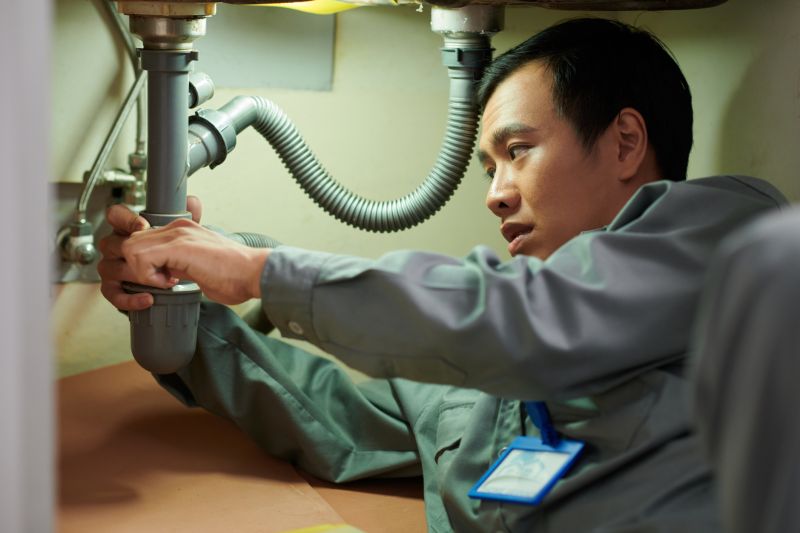
Clearly describe your pipe leak detection project to help compare local contractors, define scope, verify experience, and set expectations in writing.
- Verify experience in pipe leak detection to ensure contractors are familiar with the specific methods required. - Check that service providers clearly define the scope of work for locating leaks before beginning the project.
- Compare different local contractors to assess their expertise and reputation in pipe leak detection services. - Ensure that contractors provide detailed descriptions of their detection techniques and equipment used.
- Review written estimates that outline the procedures and responsibilities involved in the leak detection process. - Confirm that the scope of work and expectations are documented to prevent misunderstandings.
- Assess whether contractors use appropriate diagnostic tools such as acoustic sensors, thermal imaging, or pressure testing. - Ask about the types of technology and methods employed to locate leaks accurately.
- Request references or case studies to evaluate the contractor’s track record with pipe leak detection projects. - Use this information to compare their experience and success in similar situations.
- Ensure the scope of work includes details on troubleshooting, leak pinpointing, and recommendations for repairs. - Clarify what steps will be taken once the leak is located and how findings will be communicated.
Compare local contractors' experience and clarify scope to ensure effective pipe leak detection services.

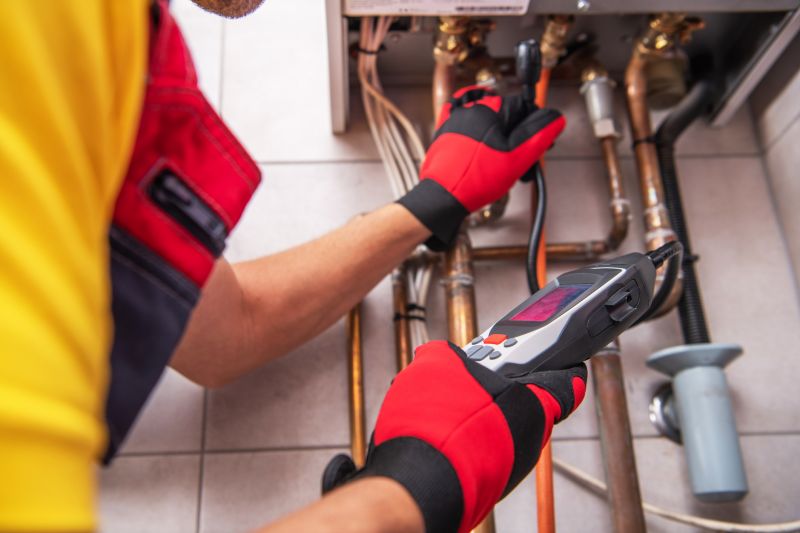
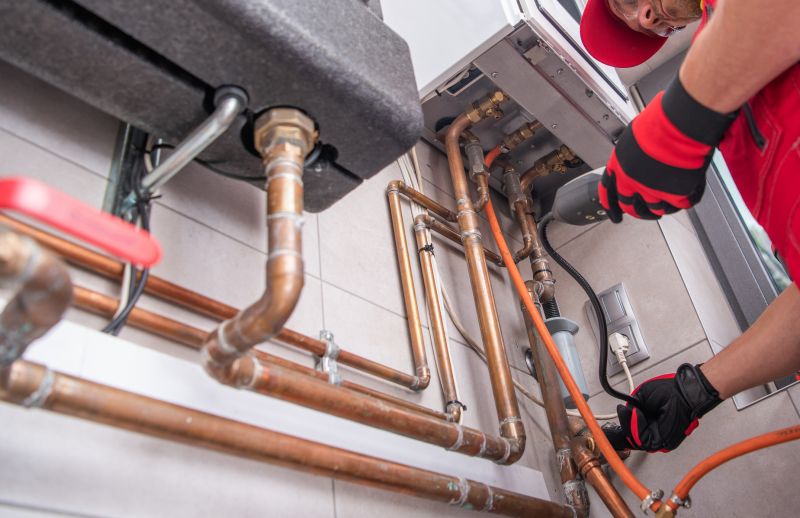
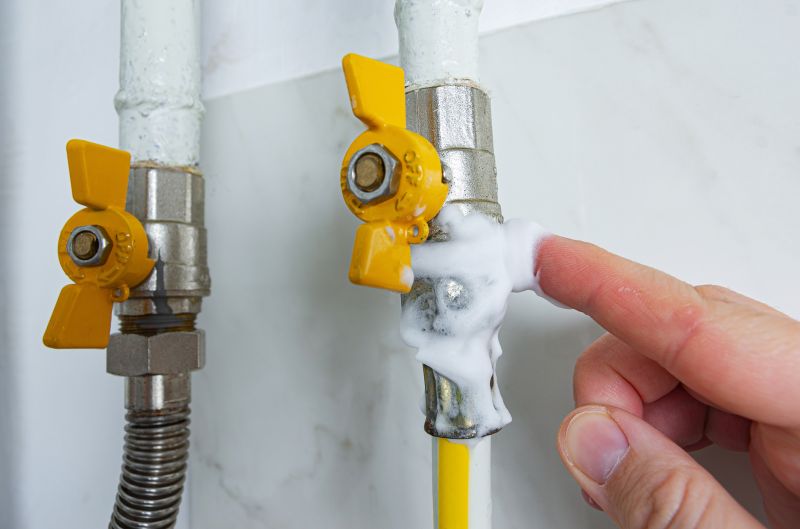
This scope builder helps compare local contractors for pipe leak detection by clarifying work expectations and verifying experience.
- Define leak detection methods - specify the techniques and equipment that will be used to identify pipe leaks.
- Clarify scope of work - outline the areas, pipe types, and systems that the service providers will inspect.
- Verify experience and expertise - ensure contractors have relevant background in locating and diagnosing pipe leaks.
- Establish communication and reporting expectations - determine how findings will be documented and shared during the process.
- Confirm warranty and follow-up procedures - understand the terms for post-detection support and any necessary repairs.
When comparing contractors for pipe leak detection, it’s important to assess their experience with similar projects. Look for service providers who have a track record of handling leak detection in residential settings comparable to your home’s plumbing system. Contractors with relevant experience are more likely to understand the complexities involved and use appropriate methods to accurately locate leaks without unnecessary disruption. Clarifying their familiarity with your type of plumbing infrastructure can help ensure that the chosen professional has the practical knowledge needed to perform the work effectively.
A clear, written scope of work is essential when evaluating pipe leak detection services. A detailed description of what the inspection will include helps set realistic expectations and ensures both parties are aligned on the process. The scope should specify the areas to be checked, the techniques to be used, and any potential limitations. Having this information in writing provides a foundation for transparency and helps prevent misunderstandings or surprises during the project, making it easier to compare different service providers based on the thoroughness and clarity of their proposals.
Verification basics are key to confidently choosing a contractor for leak detection. Ask how service providers verify the presence and location of leaks, including the tools and methods they employ. Reliable techniques often involve specialized equipment such as acoustic sensors, thermal imaging, or tracer gases. Understanding the verification process can help distinguish experienced contractors from less seasoned ones, as effective leak detection relies on accurate identification rather than guesswork. Service providers who can clearly explain their verification methods demonstrate a level of professionalism and technical competence.
When evaluating options, focus on how contractors define and communicate their approach rather than on price. Consider how each service provider describes their process, the scope of work, and the verification techniques they plan to use. Comparing these elements helps identify professionals who are thorough and detail-oriented. It’s also beneficial to review how they handle potential limitations or challenges and whether they provide a written plan that outlines each step. This approach ensures that the selected service provider can deliver a comprehensive and transparent leak detection service tailored to the specific needs of the home.
Ask contractors to provide written scope details to ensure clear expectations and consistent project understanding.
- **Experience and Expertise** - What experience do local contractors have with pipe leak detection in similar systems?
- **Detection Methods and Technology** - What detection techniques and equipment do service providers use to identify leaks accurately?
- **Scope of Services** - How do contractors define the scope of leak detection work and what is included in their assessments?
- **Work Process and Approach** - What steps do local service providers follow to locate leaks and verify their findings?
- **Written Estimates and Documentation** - Do contractors provide detailed written descriptions of the work scope and detection process?
How can I compare contractors for pipe leak detection? It’s helpful to review their experience, verify references, and check for clear written estimates to ensure they meet specific project needs.
What should I look for when defining the scope of pipe leak detection work? Clearly outline the affected areas, leak severity, and any access restrictions to help contractors understand the project requirements.
How do I verify a contractor’s experience with pipe leak detection? Ask about their previous projects, request references, and confirm they have handled similar leak detection tasks successfully.
Why is it important to get the scope of work in writing? Having a detailed, written scope helps prevent misunderstandings and sets clear expectations for the work to be performed.
What questions should I ask contractors during the selection process? Inquire about their methods for leak detection, experience with your type of plumbing, and how they plan to approach your specific situation.
How can I ensure the contractor understands my project needs? Provide detailed descriptions of the issue, ask for their input, and confirm that they can tailor their services to your situation.
This page has highlighted the importance of understanding the scope of pipe leak detection services, verifying the experience of local contractors, and setting clear expectations in writing. Comparing available options helps ensure that the chosen service providers meet specific needs and provide transparent information about their approach. Utilizing the quote form can facilitate the process of connecting with qualified local contractors who are ready to assist with your pipe leak detection project.
Taking the time to define your project requirements and review the credentials of nearby service providers can lead to more informed decisions. The quote form offers a convenient way to explore and compare different local contractors, helping to identify those best suited to handle the job. Engaging with experienced service providers through this process can support your efforts to find the right match for your needs.